
Get details and latest updates about your dream university
Tashkent Medical Academy (TMA) is a public medical university that was established in 2005 in Tashkent, Uzbekistan. It is recognised by the WHO and listed in the World Directory of Medical Schools, which makes degrees obtained from this academy acceptable to India's National Medical Commission for licensure eligibility, subject to regulations. TMA offers more than 40 different programs within the medical field. The MBBS/MD course, also known as General Medicine, takes 6 years to complete with clinical rotations. The medium of instruction is in English for international MBBS students, and Indian candidates have to qualify for the NEET. The Academy enrolls 4,662 students and holds the 13th country rank and the 7,537 rank in the world, boasts a strong infrastructure comprising modern classrooms and laboratories, simulation centers, extensive clinical exposure through affiliations with 10+ teaching hospitals and clinical bases in Tashkent, alongside active research units; international collaborations, on-campus hostels, student support services, including orientation and FMGE preparation guidance specifically for Indian students.
World Health Organisation- WHO: TMA features in the World Directory of Medical Schools, indicating recognition everywhere and conformity to international medical education standards.
National Medical Commission (NMC), India: TMA's MD/MBBS degrees are acceptable for Indian licensure pathways, subject to the prevailing NMC regulations, including NEET qualification and internship norms.
World Federation for Medical Education (WFME): Recognition via the WDOMS/WFME framework supports international credibility of TMA’s medical programs and aids in eligibility for various global pathways.
Educational Commission for Foreign Medical Graduates (ECFMG): The listing in WDOMS and WFME-recognised accreditation allow the graduates of TMA to pursue the ECFMG certification processes required for U.S. residency applications.


.png)


The capital of Uzbekistan, Tashkent, covers an area of about 631 square kilometers. The Tashkent Medical Academy campus covers an area of several hectares with modern classrooms, advanced laboratories, libraries, and clinical training centers. The campus is in a quiet environment and has a progressive academic atmosphere. In fact, modern educational infrastructure, along with opportunities for research and practical learning, enables all-round development for medical students.
Tashkent is one of the biggest and most vibrant cities in Central Asia, with over 3 million people living in the city. The city integrates rich cultural heritage and modern urban life to provide students with convenience and inspiration. The Tashkent Medical Academy is home to more than 4,000 students from around the world, especially from India and neighboring countries. This diverse university provides for global exposure and a dynamic learning environment.
Tashkent is the capital and largest city of Uzbekistan, a lively metropolitan centre that harmoniously combines modern architecture with deep cultural heritage. Wide boulevards, green parks, museums, and historical landmarks like Amir Timur Square, Hazrati Imam Complex, and the Chorsu Bazaar are some of the features of this city. Situated in the heart of such a dynamic city, the Tashkent Medical Academy can offer students easy access to transport, restaurants, shopping centres, and cultural attractions. Its central location is perfect for combining academic focus with urban lifestyles, which has made it a very good destination for international students in their quest for education and exploration.
Chirchiq
Angren
Samarkand

To study MBBS at Tashkent Medical Academy, candidates must qualify for the NEET exam.

Candidates must pass the Class 12th Board exam from a recognised board with Physics, Chemistry, and Biology, securing at least 50% aggregate (40% for OBC/SC/ST and 45% for PWD).
.png)
The candidate must be 17 years old on or before 31st December of the admission year.


.png)


- Personalised Counselling: Expert guidance to select the right university. - Document Submission: Compile and submit your academic records.
- Registration Fee: Pay the required fee to initiate the process. - Secure Your Place: Confirm your admission by paying the remaining amount.
- Application Submission: Provide your passport and legalised academic documents to obtain your visa invitation letter.
- Final Requirements: Submit your passport, a recent photo, and medical reports for visa stamping.
- Assistance with Travel: Apna University helps book tickets and arrange travel plans.

|
Year |
Semester |
Subjects |
|
1st Year |
1st Semester |
Anatomy |
|
2nd Semester |
Anatomy, Histology |
|
|
2nd Year |
3rd Semester |
Histology, Biochemistry, Physiology, Cell Biology, Microbiology, General Pathology |
|
4th Semester |
Biochemistry, Microbiology, Physiology |
|
|
3rd Year |
5th Semester |
Pathology, Pharmacology, Microbiology, Pathophysiology |
|
6th Semester |
Pathology, Pathophysiology, Pharmacology, Genetics |
|
|
4th - 6th Year |
7th - 12th Semester |
General Surgery, Neurology, Primary Care Medicine, Obstetrics and Gynecology, Oncology, Internal Medicine, Pediatrics, Neurology and Psychiatry, Psychology, ENT, Emergency Medicine, Cardiology |
Available on-campus hostel options or within walking distance, with security and main amenities.
NEET-qualified Indian candidates are counselled on the requirements for NMC, preparation support for FMGE, and assistance with internships according to the latest norms.
Well-equipped laboratories, simulation and skills centres, digital classrooms, and an emerging research ecosystem support practical, hands-on training.
A diverse student population promotes global exposure and cultural exchange, as well as international peer networks.
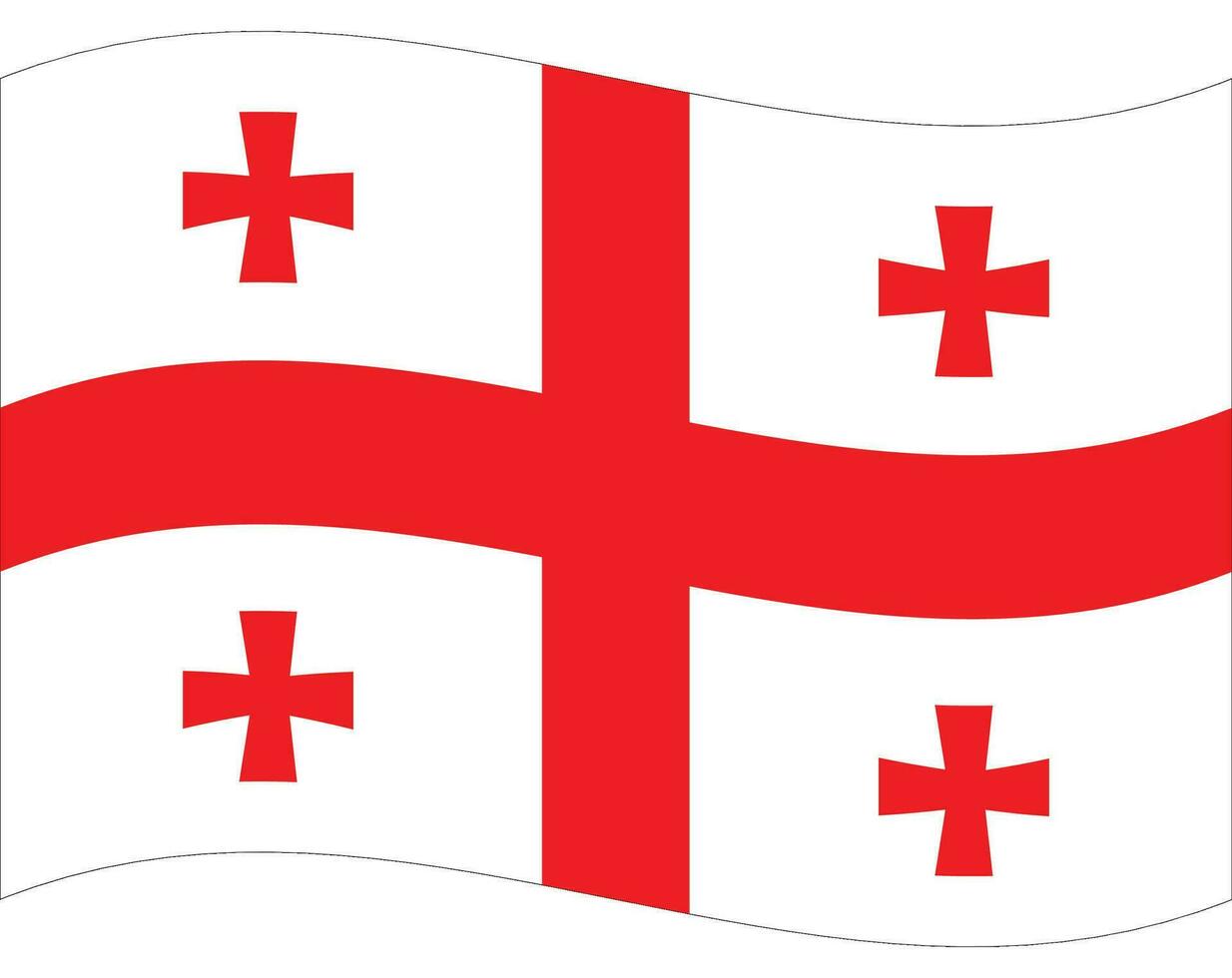 GEORGIA
 Russia
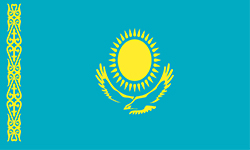 Kazakhstan
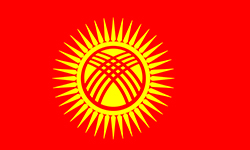 Kyrgyzstan
 Uzbekistan