
Get details and latest updates about your dream university
Mari State University is a public research university located in Yoshkar-Ola, the capital of the Mari El Republic, Russia. It was founded in 1972. The university is recognized by the World Health Organization (WHO) and the National Medical Commission (NMC) of India, and ECFMG. Also, it is listed in the World Directory of Medical Schools (WDOMS), which is a source of authority for qualification acceptance all over the globe.Mari State University provides an English-medium 6-year program (including internship) for international students. Indian students intending to study at MarSU should meet the following requirement: NEET qualification as per NMC guidelines. Over the last few years, MarSU has become the first choice of medical aspirants from abroad due to its well-arranged academic structure and cheaper medical education.
Mari State University boasts more than 8,000 students on their campus. Among them, there are lots of international students from India, Asia, Africa, and the Middle East with the university thus establishing a multicultural learning atmosphere. Mari State University is ranked between 200–250 among Russian universities and between 3,000 - 4,000 universities globally on various international ranking platforms. The university is known for its up-to-date infrastructure, qualified teachers, well-equipped laboratories, and the provision of strong clinical experience in the affiliated government hospitals. Mari State University, with its practical-oriented, research-based and ethics-enlightened medical training program continues to graduate its students as highly competent professionals who are able to pursue their medical career goals either in Russia or anywhere in the world.
World Health Organization (WHO):
Mari State University is listed in the World Directory of Medical Schools, confirming its compliance with international medical education standards.
National Medical Commission (NMC), India:
Recognized by NMC, making MarSU graduates eligible to appear for FMGE/NExT and practice medicine in India after meeting licensing requirements.
Educational Commission for Foreign Medical Graduates (ECFMG), USA:
Allows graduates to pursue USMLE and medical residency opportunities in the United States.
World Directory of Medical Schools (WDOMS):
Confirms the global recognition and validity of MarSU’s MBBS degree.
Ministry of Science and Higher Education of the Russian Federation:
Officially accredits Mari State University as a government higher education institution.
FAIMER:
Lists Mari State University, supporting international medical graduate mobility.


.png)


Yoshkar-Ola is a place where one can find Mari State University among other things, and is spread out over an estimated 110 square kilometers. Being the central city of the Mari El Republic, the city provides a peaceful atmosphere which is attractive to students, and is equipped with a modern infrastructure and nature all around. Mari State University is spread over a spacious and equipped campus comprising several academic buildings, laboratories, hostels, libraries, and recreational facilities, all of which are aimed at creating a modern and comfortable learning environment for students to pursue medical education.
The city of Yoshkar-Ola is the capital of the Mari-El Republic in Russia and the home of the Mari State University. It is a city with a population of about 280,000 people. The city is characterized by its tranquility, cultural variety, and an environment that is conducive to students. Mari State University is home to over 8,000 students, of which the number of international students from India, Asia, and Africa is increasing. The diverse student community becomes the city’s cultural richness, elevates the city’s academic vibe, and makes an energetic and vibrant contribution to the local economy.
Winter (December to February):
Winters in Yoshkar-Ola, the city where Mari State University is located, are cold and snowy. Temperatures usually range between –15°C to –8°C (5°F to 18°F). December averages around –10°C (14°F), while January is typically the coldest month of the year.
Spring (March to May):
Spring shows a gradual increase in temperature, ranging from 0°C to 15°C (32°F to 59°F). March remains cool at around 0°C (32°F), while May becomes more pleasant with temperatures reaching approximately 15°C (59°F).
Summer (June to August):
Summers are mild and comfortable, with temperatures generally between 18°C and 25°C (64°F to 77°F). June averages around 20°C (68°F), and July can reach up to 25°C (77°F), making it the most favorable season for students.
Autumn (September to November):
Autumn temperatures gradually decline from about 15°C (59°F) in September to nearly –2°C (28°F) by November. September remains pleasant, but by November the weather becomes colder as winter approaches.
Yoshkar-Ola can be described as a delightful city bursting with a plethora of attractions including but not limited to the European-style architecture, clean cityscape, and cultural landmarks. The city is home to such attractions as the Bruges Embankment, Tsarevokokshaisk Kremlin, and a variety of parks and riverside places. Its serene atmosphere and presence of students make it a perfect abode for foreign students who can thus enjoy a well-rounded lifestyle of studies coupled with leisure activities.
Near Cities
Kazan
Cheboksary
Nizhny Novgorod

To study MBBS at Mari State University, you must first pass the NEET exam.

As per the eligibility criteria of NEET candidates should pass the Class 12th Board exam from a recognised institute and board from the Science stream with a minimum of 50 percent aggregate (40 per cent for OBC/SC/ST and 45 per cent for PWD category candidates).
.png)
On or before March of the entrance year, you must be 17 years old


.png)


- Personalized Counseling: Expert guidance to select the right university. - Document Submission: Compile and submit your academic records.
- Registration Fee: Pay the required fee to initiate the process. - Secure Your Place: Confirm your admission by paying the remaining amount.
- Application Submission: Provide your passport and legalized academic documents to obtain your visa invitation letter.
- Final Requirements: Submit your passport, a recent photo, and medical reports for visa stamping.
- Assistance with Travel: Apna University helps book tickets and arrange travel plans.

|
Year |
Semester |
Subjects |
|
1st Year |
1st Semester |
Anatomy |
|
2nd Semester |
Anatomy, Histology |
|
|
2nd Year |
3rd Semester |
Histology, Biochemistry, Physiology, Cell Biology, Microbiology, General Pathology |
|
4th Semester |
Biochemistry, Microbiology, Physiology |
|
|
3rd Year |
5th Semester |
Pathology, Pharmacology, Microbiology, Pathophysiology |
|
6th Semester |
Pathology, Pathophysiology, Pharmacology, Genetics |
|
|
4th - 6th Year |
7th - 12th Semester |
General Surgery, Neurology, Primary Care Medicine, Obstetrics and Gynecology, Oncology, Internal Medicine, Pediatrics, Neurology and Psychiatry, Psychology, ENT, Emergency Medicine, Cardiology |
The university is recognized by WHO, NMC (India), ECFMG, and is listed in WDOMS, which ensures that the MBBS degree is internationally valid. Graduates are eligible to appear for licensing examinations such as FMGE/NExT (India), USMLE, and other global medical exams after fulfilling required criteria.
Compared to many other foreign medical universities, Mari State University offers budget-friendly tuition fees. Additionally, the cost of living in Yoshkar-Ola is significantly lower than in major Russian cities, allowing students to manage expenses comfortably throughout the course.
Mari State University offers the MBBS program in English for international students, particularly beneficial for Indian students. This eliminates language barriers during the academic years while students gradually learn basic Russian for patient interaction during clinical training.
The university has tie-ups with government hospitals and medical centers where students receive hands-on clinical exposure. From early clinical years, students participate in ward rounds, case discussions, and supervised patient care, helping them develop strong diagnostic and practical skills.
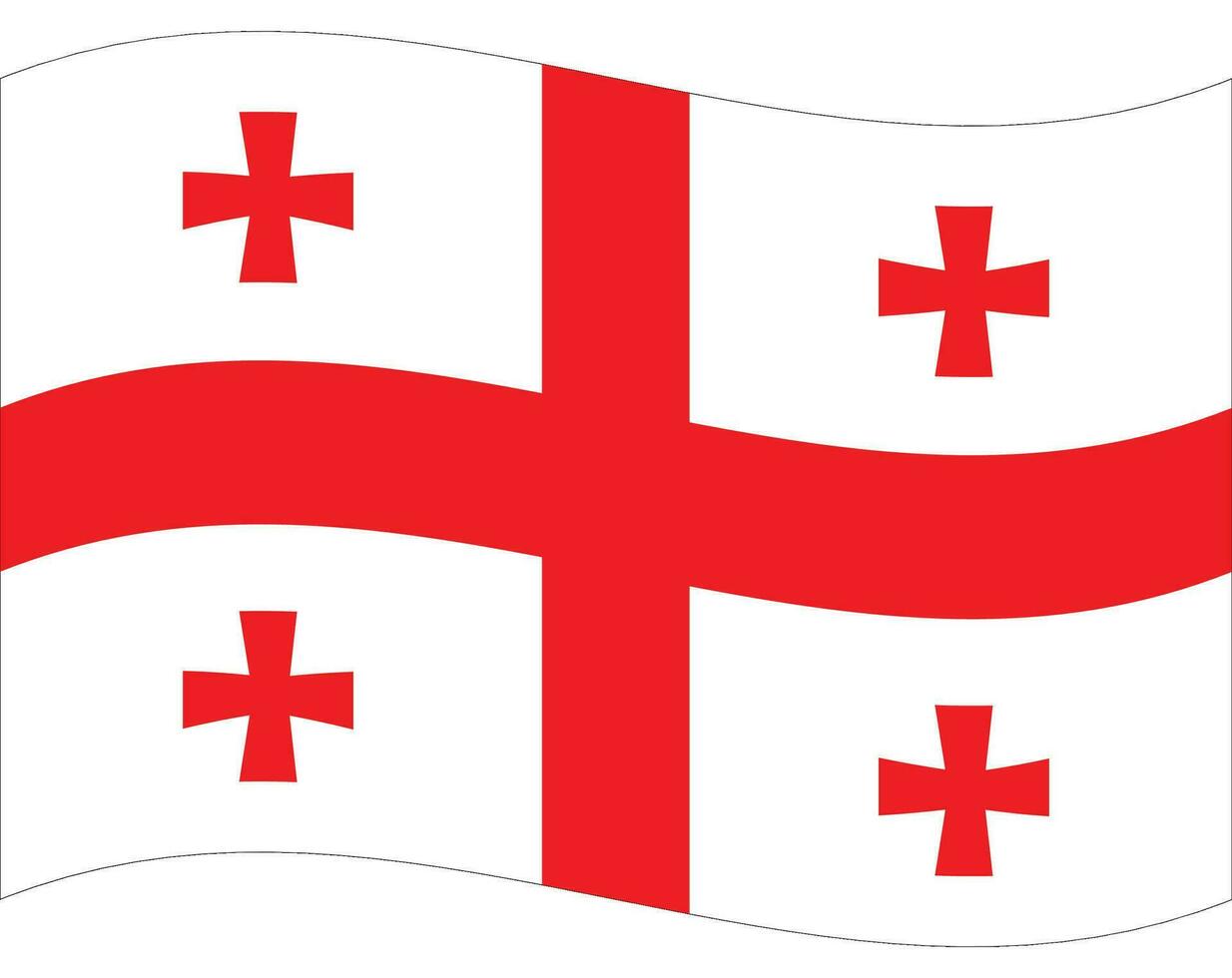 GEORGIA
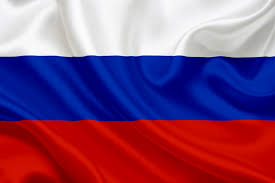 Russia
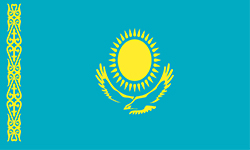 Kazakhstan
 Kyrgyzstan
 Uzbekistan