
Get details and latest updates about your dream university
Uzbekistan is becoming an Indian student MBBS destination of choice due to strong academics, affordable fees, and a friendly environment for students. Govt universities concentrate on firm basics, early clinical exposure, and increasing simulation laboratories. Some have full or partial English-medium courses; study of basic Uzbek/Russian facilitates during clinical postings and daily life. Tuition fees range between USD 3,500-6,000 annually, with low-cost hostels, food, and health insurance in cities such as Tashkent, Samarkand, Bukhara, and Andijan. Internationals do not need a local entrance exam but must have NEET qualification according to NMC rules. The course is normally a 6-year MD/MBBS-equivalent with pre-clinical to clinical stages and mandatory hospital rotations. WDOMS-listed recognized Uzbek medical degrees facilitate global licensure routes. Indian graduates can sit FMGE (and monitor NExT developments), or those who aim for the USA/UK can sit USMLE or PLAB/UKMLA with necessary language/documentation. Sites with significant Indian student numbers provide Indian mess, international student offices, and assistance with residence permits and induction. Tashkent offers new infrastructure and secure, convenient city living; Samarkand and Bukhara offer cultural depth and reduced costs of living, with Andijan/Fergana as well being in demand. With English-medium options, systematic training, open exam pathways, and affordable living, Uzbekistan is a cost-effective, value-oriented option for Indian MBBS candidates.
Uzbekistan is located at the center of Central Asia, a double-landlocked nation formed by two large rivers, the Amu Darya and Syr Darya, and bounded by deserts and far-off mountains. The majority of the territory lies across the golden Kyzylkum Desert, but if you head to the east, the ground rises slowly towards the Tian Shan and Pamir-Alay foothills, where the climate is cooler and the country becomes greener. The climate is traditional continental: summers are fiercely hot and dry, with crisp cold winters, particularly over the plains. The contrasts of the country are dramati from the dismal, salt-scorched Aral Sea basin in the northwest to the rich, well-watered Fergana Valley and Zarafshan corridor, where crops grow lush. The capital, Tashkent, holds the country together in the northeast. It's a modern, self-assured place???wide boulevards, a spotless, fast-moving metro, massive hospitals, and big universities that attract students from all over the region. Travel east and you come to the Fergana Valley, a fertile, crowded bowl it shares with Kyrgyzstan and Tajikistan. Its cities Fergana, Andijan, Namangan are alive with markets, workshops, and expanding campuses, all connected by new roads and railroads. To the southwest, Silk Road heritage is brought to life. Samarkand, situated astride the Zarafshan River, blazes with turquoise domes and sweeping squares, and Bukhara emerges from the desert like an open-air museum, both sites combining centuries-old madrasas with teaching hospitals and developing tourism facilities. Further northwest, Khiva's walled old town close to Urgench feels immaculately preserved, a snug maze of baked-brick alleys and minarets leading the way into the lower Amu Darya. Through these cities there is a simple blend of old and new secure, bettering public transport; several international airports (Tashkent, Samarkand, Bukhara, Urgench); and rapid getaways into nature, whether that's dune land, rippling steppe, or sunrise foothills. Uzbekistan's geography does more than create the setting it influences everyday life, from the cycles of irrigation and harvest to buildings that protect people from summer heat and winter cold
Uzbekistan is mainly a continental, arid to semi-arid climate with well-defined seasons. Summers (May-September) are dry and hot, particularly in desert and steppe areas such as the Kyzylkum, with sunny days often 35-40 °C and low humidity; nights are cool. Winters (December-February) are cold, especially in the north and east, with temperatures frequently ranging from -5 to 5 °C in cities, occasional drops below -10°C, and occasional snow. Spring (March-April) and autumn (October-November) are the most comfortable, mild to warm days, cool nights, and short rain periods. Tashkent, Samarkand, and Bukhara have hot to warm summers and cool winters; the Fergana Valley is a bit milder and more protected; cooler areas at higher elevations in the vicinity of the Tian Shan and Pamir-Alay are cooler throughout the year. For students, the arid climate implies lots of sunny days for traveling to school and campus life, with winter heating and summer air-conditioning being normal throughout urban campuses, hostels, and hospitals. Lightweight winter apparel (with layers) and light summer clothing are usually adequate for most urban-based academic and clinical timetables.
Uzbekistan is situated at the crossroads of Central Asia a meeting place of Silk Road oases, endless deserts, and snow-capped mountains. Stretching over about 448,900 square kilometers, it's bigger than it appears in most maps, and its landscapes range from the golden dunes of the Kyzylkum Desert to fertile river valleys and foothills of the Tien Shan. Cities are strung like pearls on old trade routes: the blue-tiled domes of Bukhara and Samarkand shine in the steppe light, and Tashkent, the capital city, spreads out as a modern, green, well-designed city. For the students, the most striking thing is the way study life may be interwoven with actual travel and culture without long-haul hassle. In Tashkent, you have wide boulevards, trusty metro, affordable apartments, and a developing caf?? culture perfect for weekday classes and clinical rotations. Weekends are a potential rapid rail trip on high-speed Afrosiyob trains to Samarkand or Bukhara to experience history that comes alive, or a brief drive to the Chimgan and Charvak area to enjoy fresh mountain air, easy treks, and winter skiing. Head west and the scenery unfolds to the rust-red dunes of the Kyzylkum and the Aral Sea basin's surreal landscape; head east and the Ferghana Valley provides orchards, crafts, and softer, greener countryside. Despite its vastness, Uzbekistan is conveniently linked fast intercity trains, upgrading highways, and regular domestic flights make it feasible to cram in much on a student budget and timetable. The weather varies from scorching hot, dry summers to chilly winters, but the extended shoulder seasons are ideal for discovery. This combination of affordable heritage towns, nature getaways, and new urban amenities offers Indian MBBS candidates an unusual set: serious study atmospheres rooted in substantial, well-supplied cities, with a whole Silk Road universe of attractions only a few hours from their doorstep.
Uzbek is the state language of Uzbekistan and serves as an official language of government, law, media, and public instruction. Though numerous universities particularly in the capitals, Tashkent and Samarkand, and in the Fergana Valley teach degree programs with full or partial English-medium (particularly pre-clinical years for medicine), Uzbek and, to a great degree, Russian become necessary in clinical settings. A majority of patients and the vast majority of hospital personnel mostly speak Uzbek, while Russian is often the widely understood lingua franca in cities and among multiethnic clinical teams. For daily life shopping, banking, public transportation, housing, and getting around services rudimentary Uzbek is very useful, and rudimentary Russian is useful as well, especially in Tashkent and other big cities. Universities usually offer formal Uzbek-language courses for international medical students, usually starting during the first or second year and increasing intensity before or concurrent with clinical rotations. Increasingly, these courses focus on medical terminology, interviewing patients, and bedside communication. Spending time in Uzbek (and acquiring functional Russian where it is possible to do so) significantly enhances clinical ability and patient rapport, facilitates social integration, and provides access to local electives, internships, community outreach, and possible postgraduate opportunities within Uzbekistan.
| Point | Details |
|---|---|
| Airports in Uzbekistan | - Tashkent: Islam Karimov Tashkent International Airport (TAS) - Samarkand: Samarkand International Airport (SKD) - Bukhara: Bukhara International Airport (BHK) - Urgench (for Khiva): Urgench International Airport (UGC) - Fergana Valley: Fergana (FEG), Andijan (AZN), Namangan (NMA) |
| Flight Duration from India | - Delhi/Mumbai ??? Tashkent (nonstop or 1-stop): ~3.0???6.5 hours total - Bengaluru/Chennai/Hyderabad/Kolkata ??? Tashkent (1-stop): 6???10 hours total - To Samarkand/Bukhara/Urgench (via TAS or regional hubs): add ~1???3 hours including layover |
| Direct Flights Available | - Periodic/seasonal nonstop Delhi ??? Tashkent (e.g., Uzbekistan Airways); availability varies by season and schedule - Most other Indian cities: usually 1-stop via Middle East/Central Asia hubs |
| Connecting Flights | - Common layovers: Dubai (Emirates, flydubai), Abu Dhabi (Etihad), Doha (Qatar Airways), Istanbul (Turkish Airlines, Pegasus), Almaty/Astana (Air Astana), Baku (AZAL), Sharjah (Air Arabia), Jeddah/Riyadh (SAUDIA) - Typical total travel time with layovers: 6???12 hours to TAS; 7???14 hours to regional cities |
| Visa Requirement | - Student visa (D-type or study permit) required for Indian students - Documents: Passport, university admission/invitation letter, visa application form, passport-size photos, medical certificate, proof of funds, police clearance (if requested), travel insurance |
| Steps for Visa Application | 1. Receive admission letter from the Uzbek university 2. University arranges/issues an invitation (if required) 3. Complete online/on-paper application via Uzbek consulate/visa center 4. Submit documents and pay fees; attend biometrics/interview (if called) 5. Wait for processing (typically 7???15 working days) 6. Collect visa; carry admissions/finance proofs when traveling |
| Flight Booking Tips | - Check both nonstop and 1-stop options - Book early for peak seasons (Mar???Jun, Sep???Nov) - Verify baggage allowance and student fares; consider multi-city if visiting Samarkand/Bukhara - Cross-check arrival airport (TAS vs SKD/BHK/UGC) and minimum connection times |
| Accommodation Options | - University dorms/hostels (limited; apply early) - Private apartments/shared flats near campuses in Tashkent, Samarkand, Bukhara, Fergana - Short-term on arrival: hostels/guesthouses/Airbnb near city centers or campuses |
| Health Insurance | - Mandatory; ensure travel and health coverage from departure date and compliant with residence permit rules - Some universities provide or recommend student health plans |
| Safety and Health Considerations | - Generally safe; standard precautions in markets and transit hubs - Summers are very hot and dry; hydrate and use sun protection - Winters can be cold, especially outside the Fergana and Tashkent lowlands; pack warm layers |
| Transport from Airport | - Tashkent (TAS): taxis, Tashkent Metro/buses for city travel - Samarkand/Bukhara/Urgench: taxis and local buses/minibuses - For intercity travel: Afrosiyob high-speed trains (Tashkent???Samarkand???Bukhara), domestic flights, or long-distance buses |
World Directory of Medical Schools (WDOMS), published by FAIMER and WFME ??? Your Uzbek medical university must be included here. Use the WDOMS entry to check program information, language of instruction, length of curriculum, and eligibility for graduation through ECFMG and other licensure routes. State Inspectorate for Supervision of Quality in Education under the Cabinet of Ministers of the Republic of Uzbekistan (national quality assurance) ??? Uzbekistan's institution responsible for institutional and program quality assurance and accreditation reforms. Verify your university's current recognition/accreditation status through official sources or the university website, since WFME/ECFMG eligibility is connected to recognized accreditation. National Medical Commission (NMC), India ??? Regulates eligibility for Indian citizens. Uzbek MD/MBBS-equivalent graduates need to fulfill NMC's Foreign Medical Graduate requirements and clear FMGE (or NExT upon rollout), including internship, duration, and documentation requirements according to the current Gazette notifications. World Federation for Medical Education (WFME) ??? Establishes worldwide standards for accrediting agencies for medical education and operates the Recognition Programme for accrediting agencies. ECFMG certification from 2024 onwards demands graduation from a school accredited by an agency recognized by WFME (or in transition). Check if the concerned Uzbek QA/accreditation agency is WFME recognized. Educational Commission for Foreign Medical Graduates (ECFMG), USA ??? For students of US routes. As of 2024+, ECFMG certification is dependent on graduation from a WDOMS-listed school that is accredited by an agency recognized by WFME; check your school's status prior to enrollment. What this means for students:
Global Recognition and Licensure Options: Most of the medical universities in Uzbekistan are registered in the World Directory of Medical Schools (WDOMS). Graduates can follow licensure pathways based on each country's regulator rules???typically FMGE/NExT (India), USMLE/ECFMG (USA), PLAB/UKMLA (UK), MCCQE/NAC (Canada), and AMC (Australia). Always check your selected university's latest accreditation/recognition and most recent requirements of your desired country's medical council. Reasonable Cost Structure: MBBS/MD program annual tuition in Uzbekistan is usually between $3,000 and $6,000 based on the university and city, which is significantly affordable compared to most Western and Asian destinations. Overall program cost (including living expenses) is usually competitive throughout the entire 5???6 years. English-Medium Programs with Academic Support: An increasing number of institutions in Tashkent, Samarkand, Bukhara, Fergana, and Andijan have full or specialist English-medium MBBS programs, with all lectures, labs, and clinical rotations taught in English. Academic support may cover medical English, foundation/bridging modules, and access to question banks, OSCE practice, and simulation software for preparation of international exams. Quality Education and Upgrading Infrastructure: Anatomy, histology, physiology, biochemistry, and pathology are given prominence during pre-clinical training through cadaveric and model-based exposure. The universities are augmenting simulation centers, skills labs, and electronic libraries. Affiliated teaching hospitals and municipal clinics are used for clinical rotations, which expose students to progressive patients and evidence-based learning. Simplified Admissions for International Students: For Indian students, NEET qualification is mandatory according to current regulations. Admissions are usually based on academic documents, with little or no individual entrance exams for most universities. International offices help process applications, issue invitation letters, facilitate visas, airport pickups, accommodation advice, and orientation, simplifying onboarding. Safe, Welcoming, and Culturally Rich Environment: Uzbekistan prides itself on hospitality and the warmth of the student environment. Ancient Silk Road cities???Samarkand, Bukhara, Khiva???provide rich cultural experiences, museums, architecture, music, and festivals. Multinational student populations facilitate global peer learning and networking, while universities offer health centers, counseling, and international student support services.




| Category | Uzbekistan | India |
|---|---|---|
| Eligibility & Entrance | NEET-UG required for Indian students; admissions typically based on 12th marks + NEET qualification; no national entrance exam in Uzbekistan | NEET-UG mandatory; centralized counseling; highly competitive cutoffs for government seats |
| Course Duration | 6 years total (5 years academics + 1-year internship; structures can vary by university) | 5.5 years (4.5 years academics + 1-year compulsory internship) |
| Teaching Language | English-medium MBBS tracks available for international students | English-medium |
| Annual Tuition (approx.) | USD 3,000 ??? 6,000/year (varies by city/university) | Govt: ???1k???1 lakh/year; Private: ???10???25 lakh/year; Deemed: ???18???30+ lakh/year |
| Living Costs (approx.) | ???20,000???40,000/month (USD 250???500): shared rent, food, transport, insurance; Tashkent slightly higher | ???8,000???20,000/month (varies by city; metros higher) |
| Clinical Exposure | Adequate clinical rotations in affiliated teaching hospitals | High patient load in govt colleges; hands-on exposure |
| Licensing to Practice in India | Eligible for FMGE/NExT if university meets NMC/FMGE norms; must complete mandated internship and register with state medical council | Direct pathway via MBBS + internship ??? NExT (as implemented) for licensure and PG eligibility |
| Recognition | Many universities listed in WDOMS; verify NMC compliance, hospital attachments, and medium of instruction for your batch | NMC-recognized colleges; admissions via counseling |
| Hostel & Safety | University/partner hostels and private rentals available; generally safe in student areas (Tashkent, Samarkand, Bukhara); follow standard precautions | Govt colleges usually have on-campus hostels; private options vary |
| Medium of Support | International student offices assist with admission, visa, airport pickup, registration, and orientation | Established support through college admin; varies by state/institution |
| Intake & Academic Calendar | Typically September intake; spring intakes possible at some universities | As per NMC calendar; main intake via national/state counseling cycles |
Tashkent
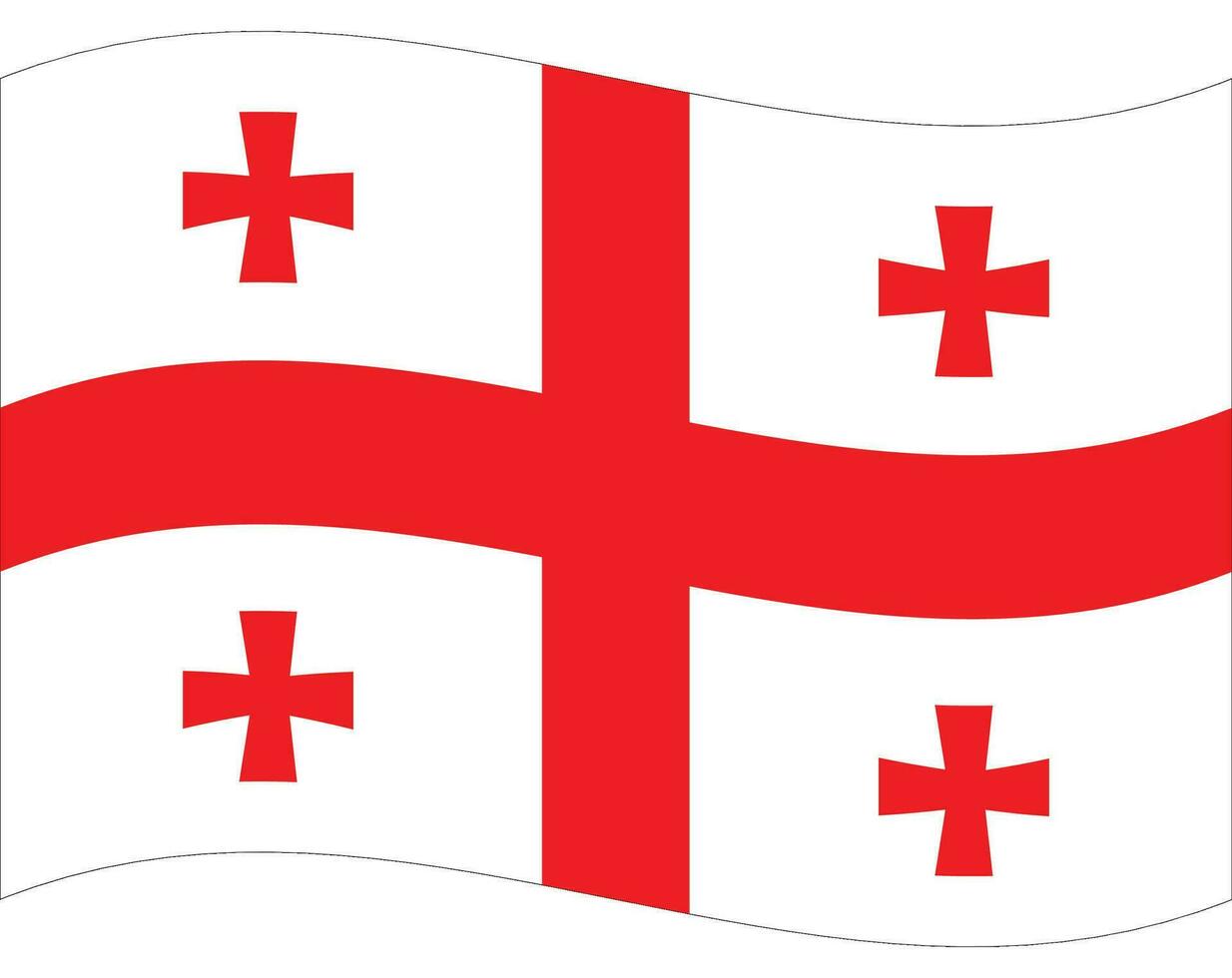 GEORGIA
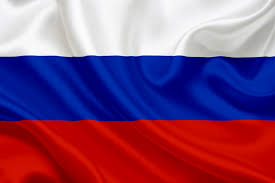 Russia
 Kazakhstan
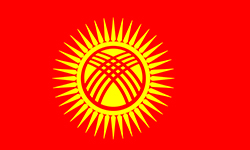 Kyrgyzstan